


About
Arita Pottery

What About
Arita Pottery
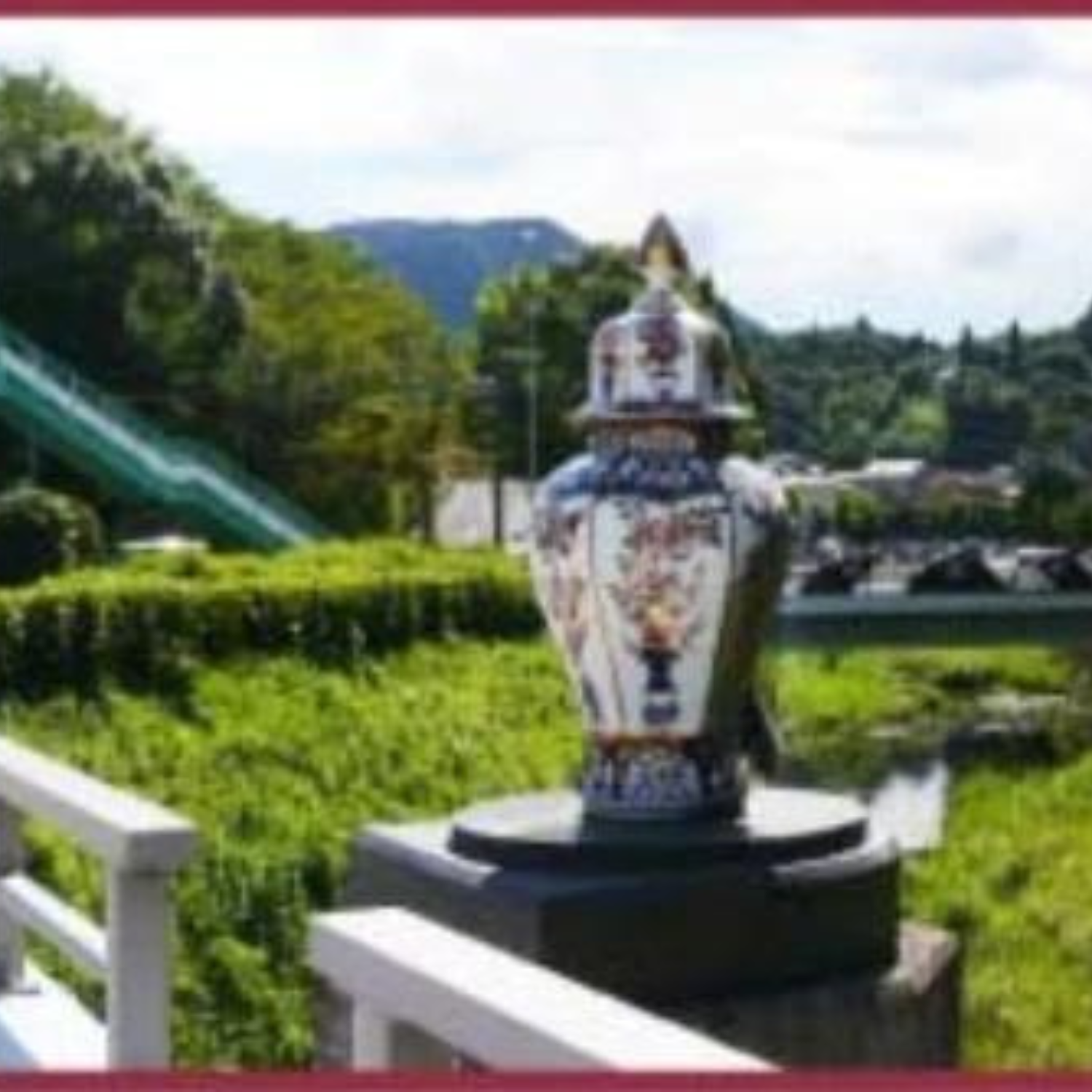
Arita is a town of about twenty thousand people in western Saga Prefecture, on the Kyushu side of the Nagasaki border. Japan's first porcelain was made here, and it has been made here ever since.
Seven-tenths of the town is forest and mountain - terraced rice fields, the dark bulk of Mt. Kurokami, and the emerald water of the Arita Dam. The Arita River runs through the middle of it all and out into Imari Bay.
Look into the riverbed and you will see shards of blue-and-white. Look up at Izumiyama and you will see a white rock face, cut away over four hundred years. The town is built out of what the kilns used and discarded.
Arita Pottery's
Process

Material
Porcelain does not come out of the ground as clay. It begins as stone. In 1616 a vein of porcelain stone was found at Izumiyama, here in Arita, and that discovery is where Japanese porcelain starts. The stone is crushed to a fine powder and worked into a body that fires white and almost translucent.
Crafting
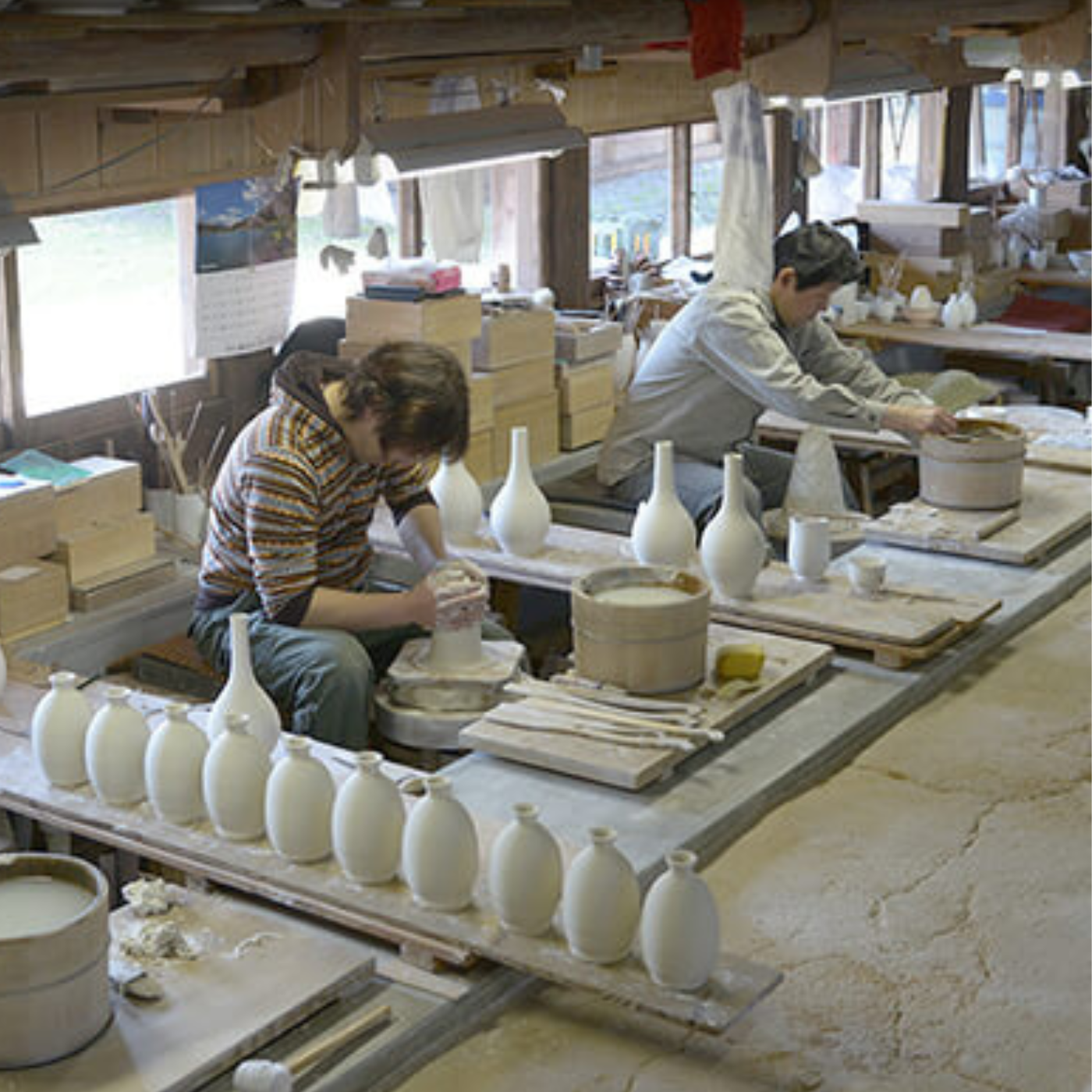
The body is formed, dried, and then fired once at around 900°C before any painting is done - a bisque firing. This is the Arita way, and it matters: the brush meets a surface that has already been through the kiln, firm enough to take a fine line without dragging.
Painting
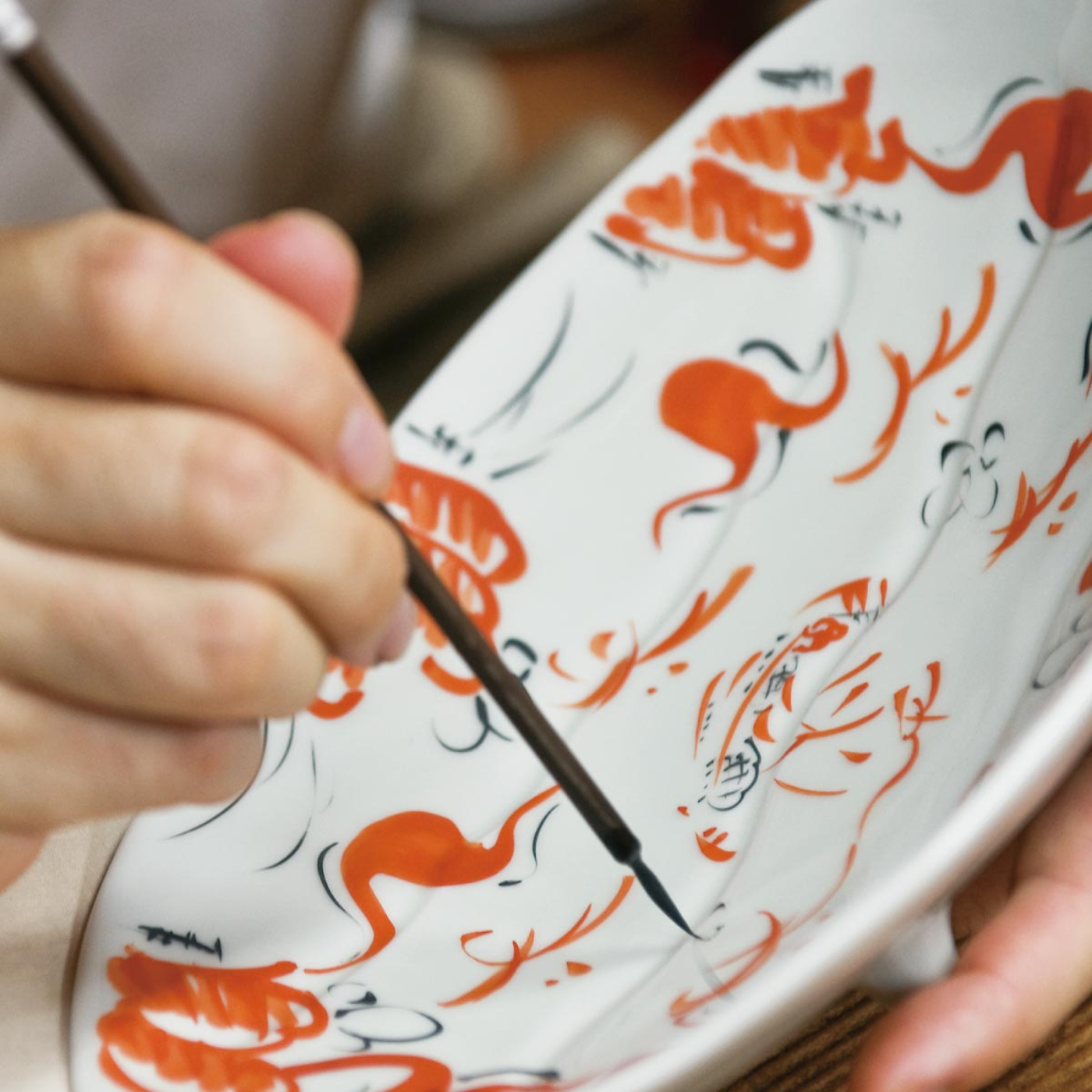
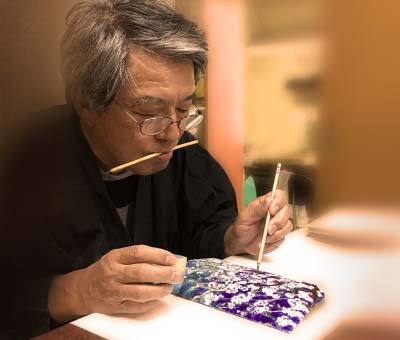
The blue is painted with gosu, a pigment that looks like dull gray powder in the hand; the color only arrives in the kiln. Two brushes do the work - a fine one for the outline, sen-gaki, and a thick one to fill and shade inside it, dami. Glaze and a high firing seal the painting under glass.

Japanese Beauty and
History of Arita Pottery
In 1616, under the rule of the Nabeshima, porcelain stone was found in Saga and the first porcelain in Japan was fired at Arita.
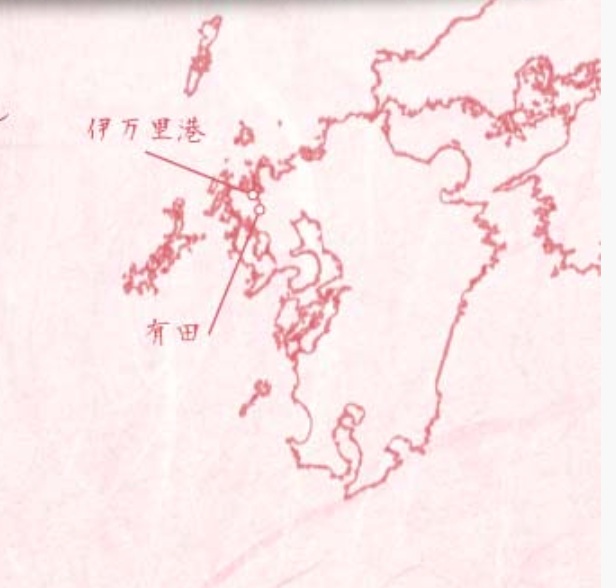
It left the country through the port of Imari, so the world called it Imari ware; pieces from before the Meiji era are known today as Ko-Imari.
Japan was closed to the outside world, and the Dutch East India Company alone was permitted to trade, at Dejima in Nagasaki. Arita porcelain crossed the sea on those ships. In Europe it was called white gold, and it filled the palaces of kings and nobles.
Read more: our guide to the styles of Arita ware, from sometsuke blue and white to Kakiemon and celadon, and a closer look at sometsuke.
JTOPIA's
Commitment
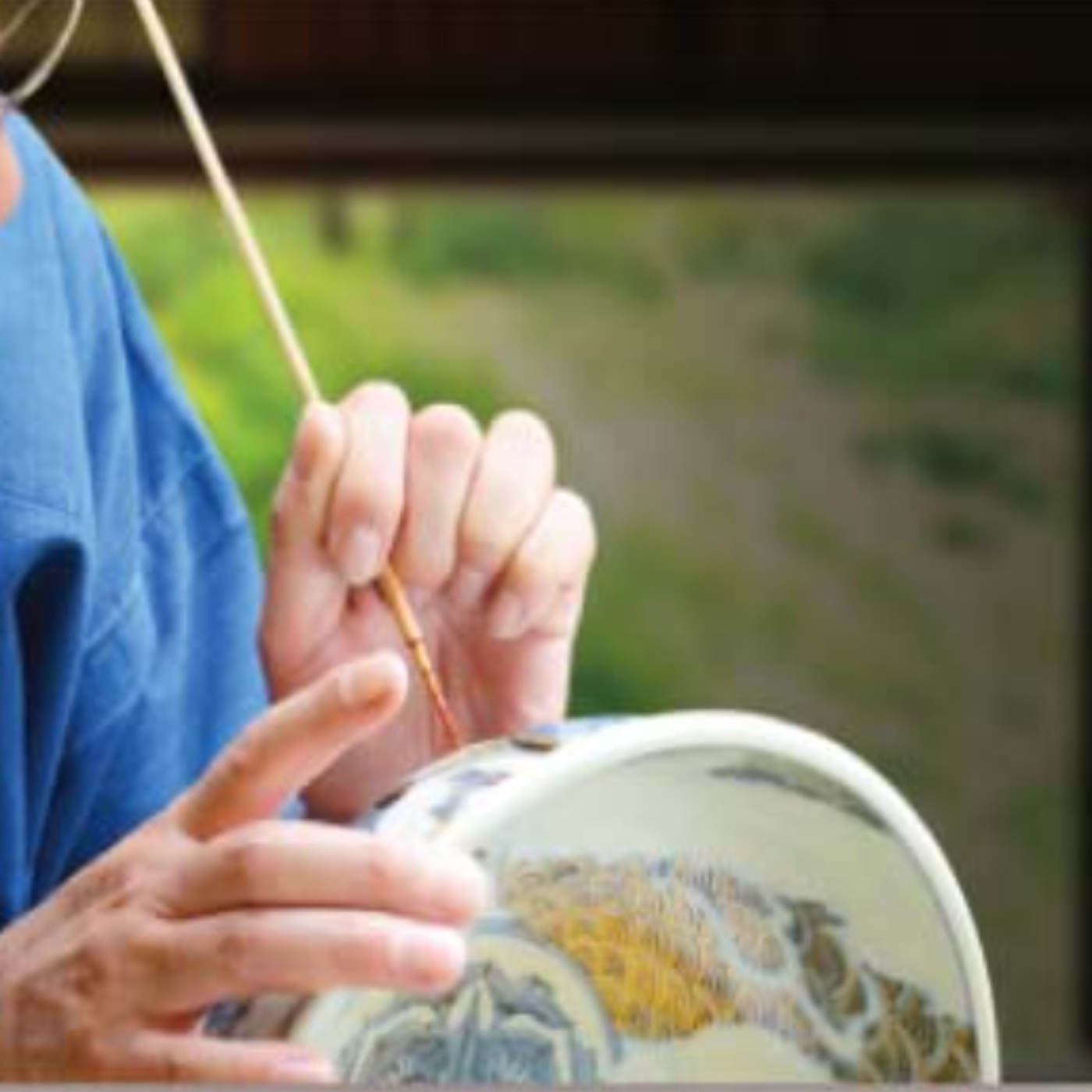
Preservation of vanishing traditional craftsmanship
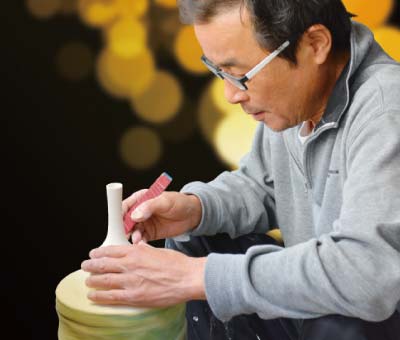
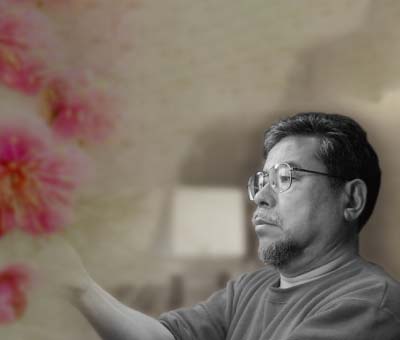
In recent years, with the prevalence of mass production techniques such as transfers, seals, and stencils that mimic hand-drawn designs, and partially hand-drawn pottery, the artisans with authentic hand-drawing and pottery wheel skills are gradually disappearing amid the changing times.
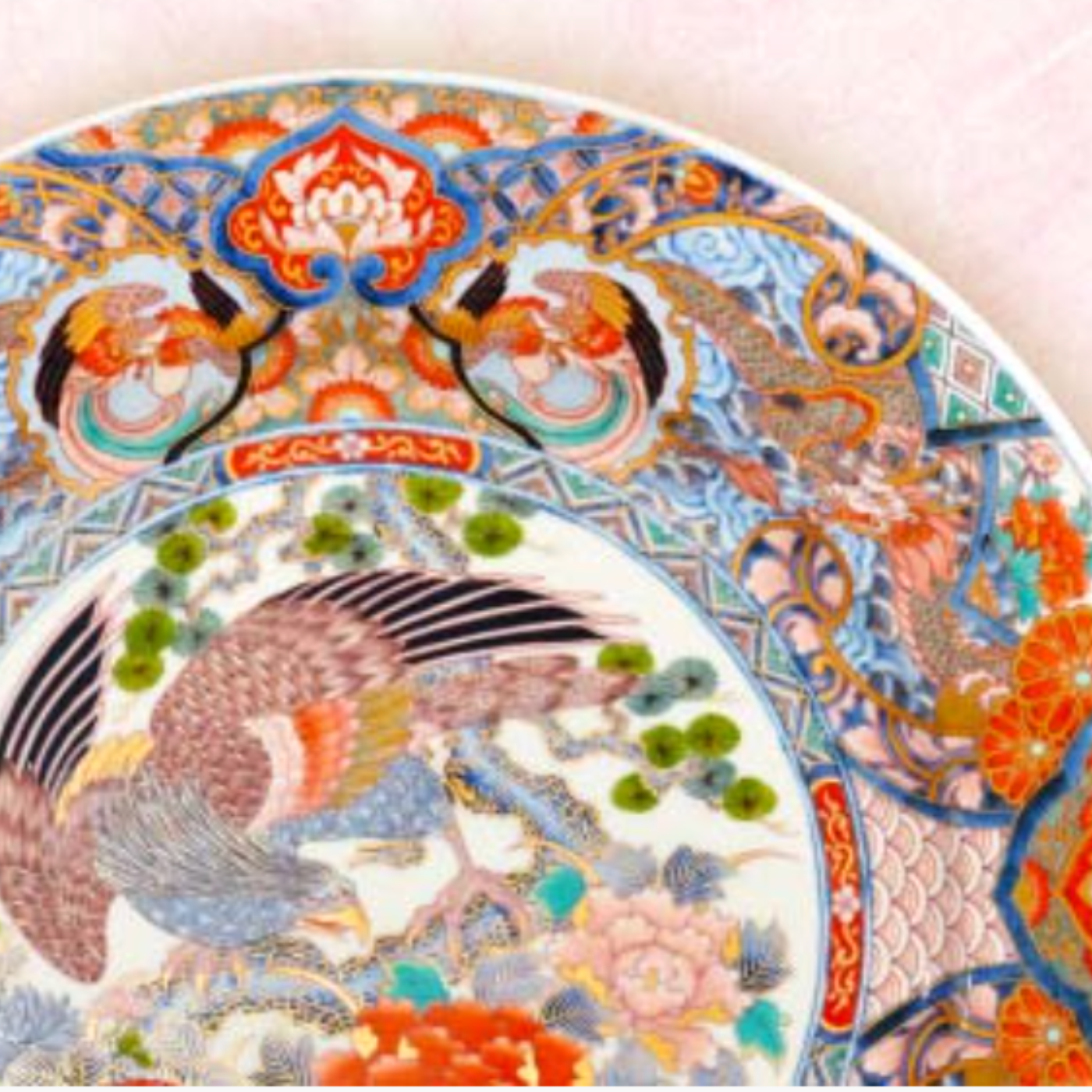
Commitment to authenticity
The exceptional durability and beauty of Arita-yaki continue to be widely cherished both as works of art and as outstanding everyday items. At JTOPIA, we carefully select products from approximately 30,000 pieces by renowned kilns and artists, featuring only products of exceptional quality.
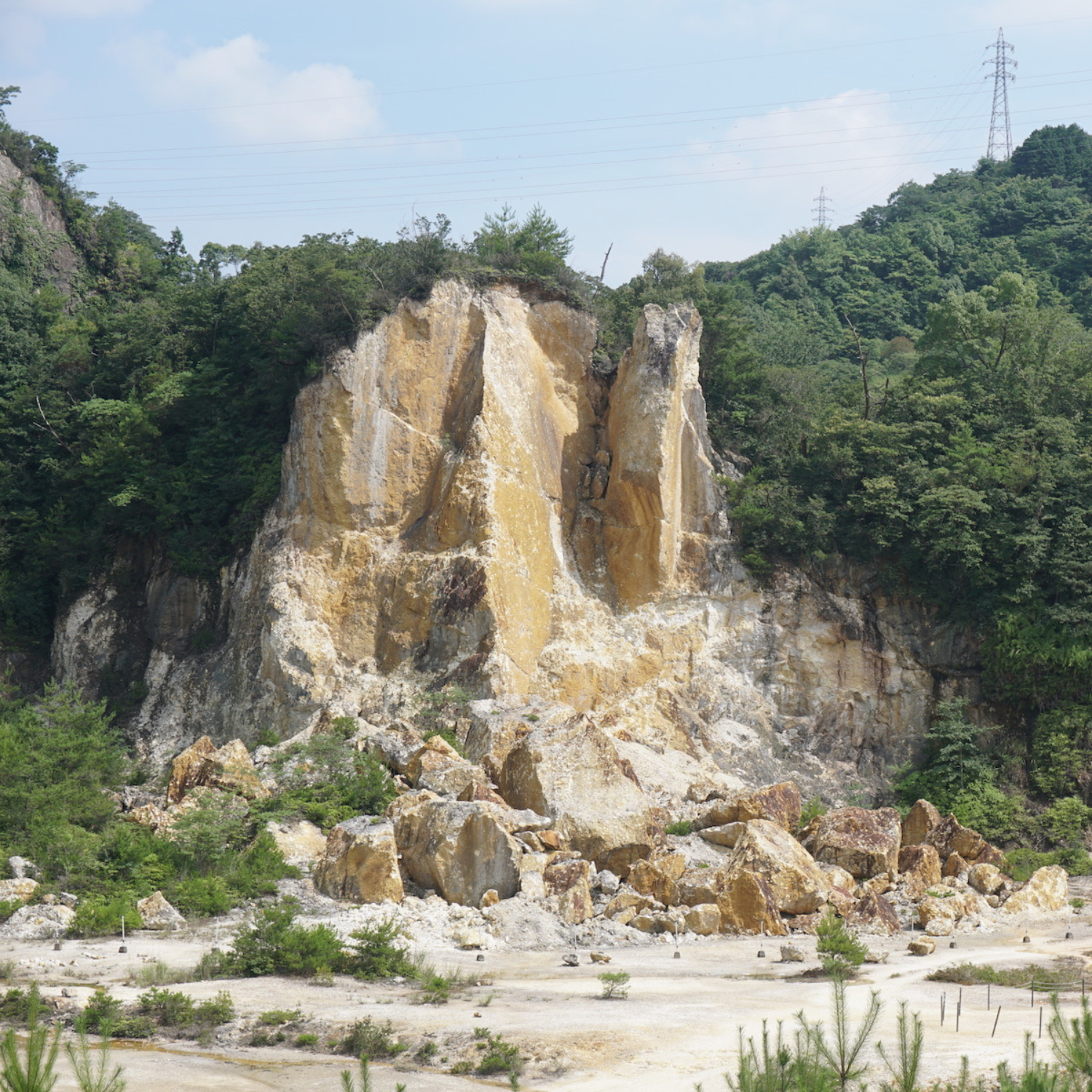
Consideration for the natural environment
Arita-yaki embodies not only its history and tradition but also a deep commitment to environmental stewardship. We prioritize environmentally friendly manufacturing processes, offering products made sustainably. From the selection of raw materials to waste disposal, we strive to minimize our environmental footprint. Additionally, we leverage local resources, contributing to the community. Our Arita-yaki not only showcases beauty but also reflects our care for the environment.
Creator's
Featured collection

Follow@JTOPIA