
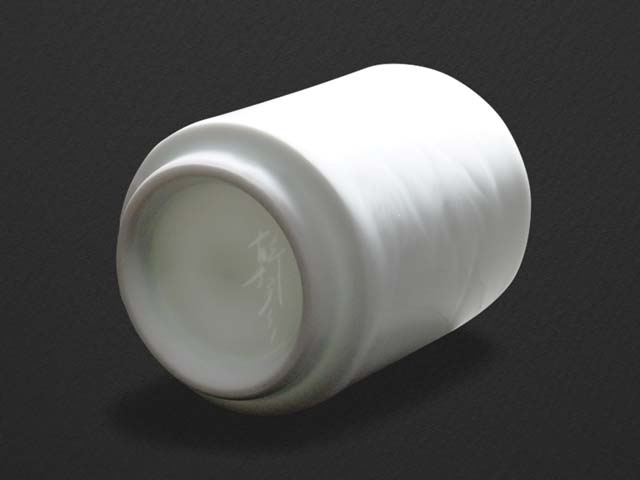
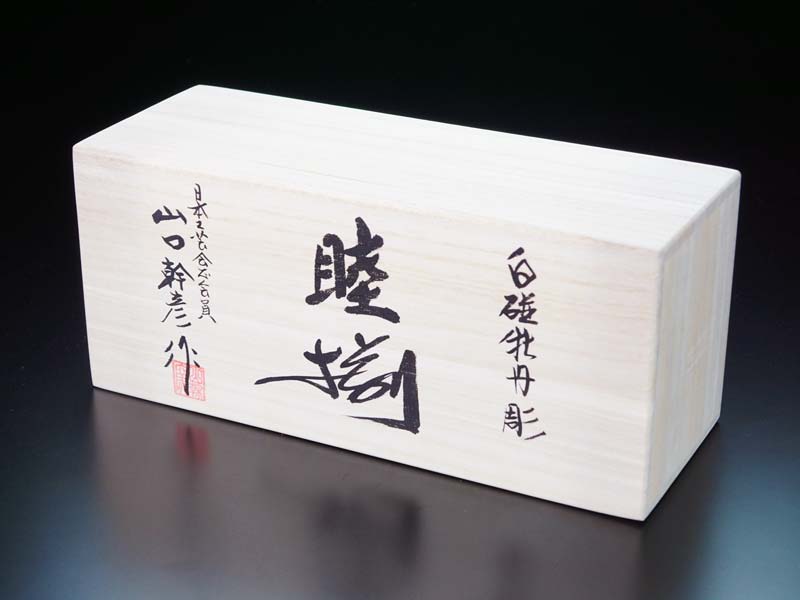
Mutsuzoroi Pair Set - Hakuji Porcelain, Hand Carved by Mikihiko Yamaguchi
Mikihiko Yamaguchi, a master of Arita ware Hakuji (white porcelain) with more than 40 years as a potter.
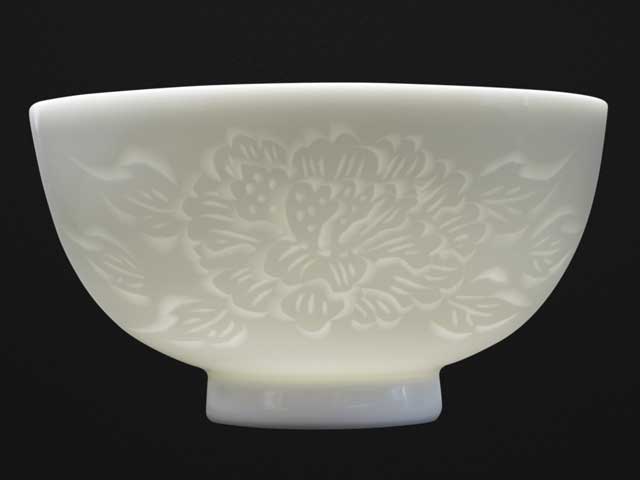
A Traditional CraftsmanA Traditional Craftsman designated by the Ministry of Economy, Trade and Industry, Mikihiko Yamaguchi is well known as a full member of the Japan Kogei Association, and for his own style of Hakuji peony carving, which unites precision with presence. This set is a work of real dedication by a master of form.
A Mutsuzoroi Pair Set
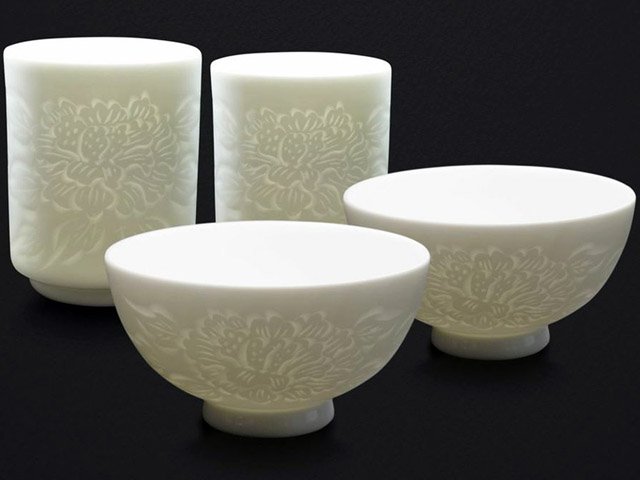
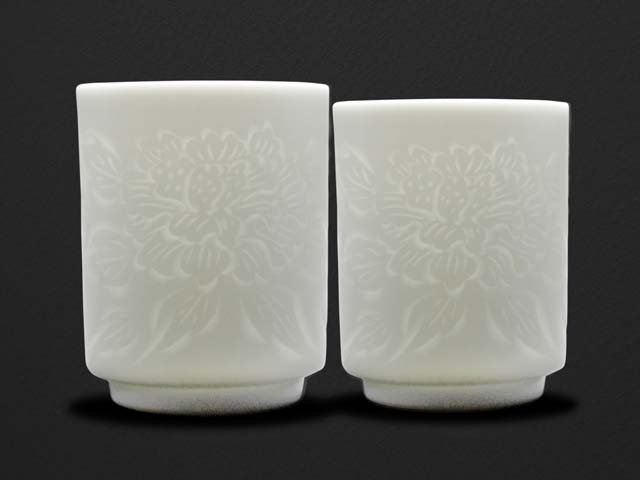
A Mutsuzoroi pair set bringing together a larger rice bowl and a rice bowl one size smaller, with a large and a small yunomi. A meoto pair of yunomi and a meoto pair of rice bowls in one set, it comes with a fine paulownia box bearing an inscription.
White, Worthy of the Name Arita
A Mutsuzoroi set in which the white truly stands out — worthy of bearing the name of Arita, the birthplace of white porcelain in Japan.
Openwork, Wheel-Thrown and Hand-Carved
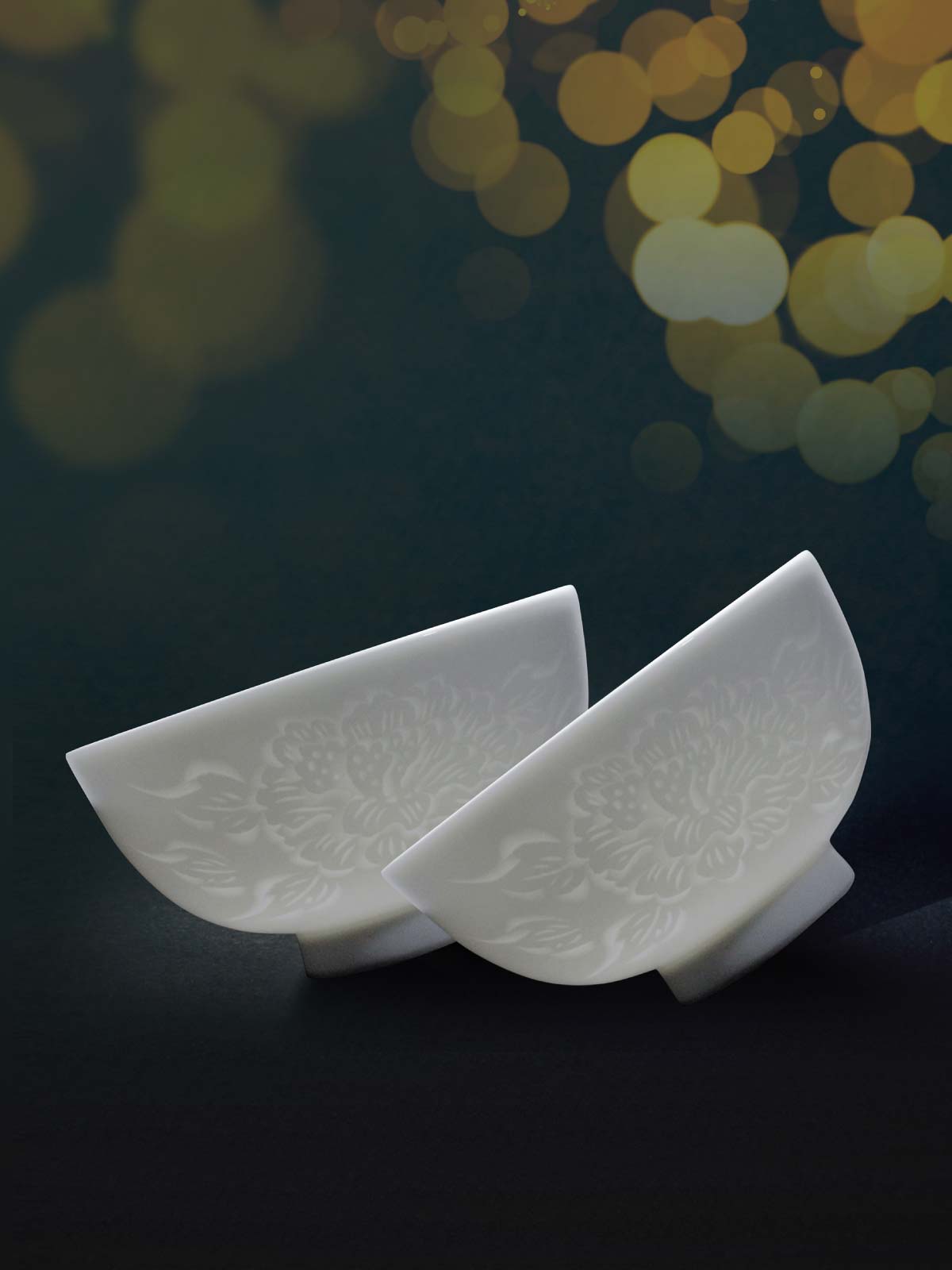
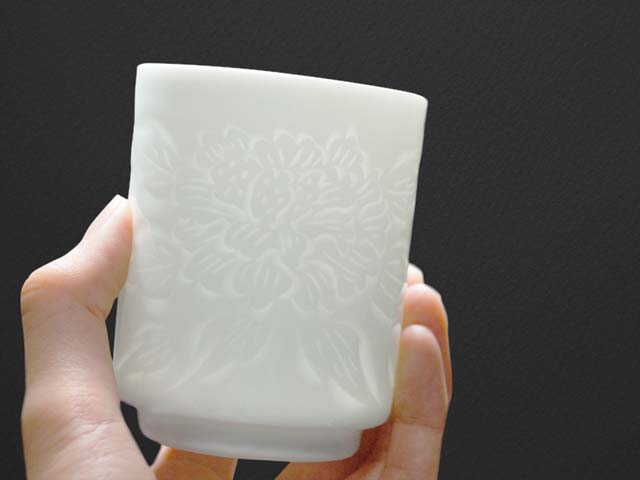
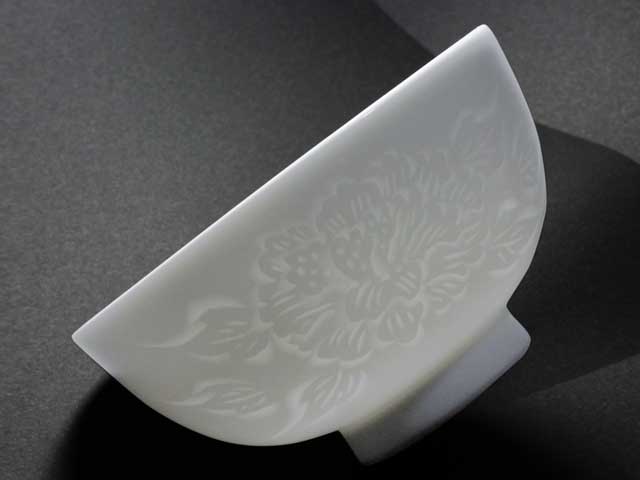
Please take in the beauty of the ornate openwork, made by throwing on the wheel and hand-carved. Precisely because it is all white, and precisely because the forms are simple, no compromise was allowed: appearance and form have been pursued to the utmost.
Four Hundred Years of Arita
A Mutsuzoroi set of Arita ware Hakuji, carrying 400 years of history and tradition. Recommended as a celebration gift for someone important, or as a gift to mark a milestone.
About Arita Ware
Arita ware is the origin of Japanese porcelain. In 1616, under the rule of the Saga domain lord Naoshige Nabeshima, pottery stone was found in what is now Saga Prefecture and production began. Because the wares were made in Arita and shipped from the port of Imari, they are also known as Imari ware. Carried to Europe by the Dutch East India Company — the only trading partner permitted during Japan’s period of national seclusion — the porcelain was called “white gold” and furnished the courts of royalty and nobility.
What Is a Meoto Pair?
A meoto pair is a set of two vessels intended to be used together by two people, most often a couple. In Japan it is a long-standing form of gift for a wedding, an anniversary, or a new home — the pair itself carries the wish.
Why a Paulownia Box
Paulownia wood is light, resists moisture and insects, and moves with changes in humidity — which is why it has been used in Japan for centuries to store what is valuable. A piece delivered in a paulownia box arrives ready to give, and the box itself is part of the gift.
Contents and Dimensions
Rice bowl × 2, Yunomi × 2, booklet, paulownia box.
Yunomi (large): Height: 9cm Diameter: 7.5cm / (small): Height: 8.7cm Diameter: 7.3cm / Rice bowl (large): Height: 6.5cm Diameter: 11cm / (small): Height: 6.5cm Diameter: 10.5cm
As each piece is handmade, slight variations in size may occur.
Product Size
※There may be slight variations in size and other aspects as these products are handmade.
Content
Care & CautionCreator
Choose options
About
SHIPPING , CHANGE , RETURN
Please read before checkout and if need more information, check FAQ or Contact us
Yes, we ship all over the world. Shipping costs will apply, and will be added at checkout. We run discounts and promotions all year, so stay tuned for exclusive deals.
It depends on where you are. Orders processed here will take 5-7 business days to arrive. Overseas deliveries can take anywhere from 7-16 days. Delivery details will be provided in your confirmation email.
You can contact us through our contact page! We will be happy to assist you.
PRODUCTS WITH
OTHER DESIGNS
creator
Collections
藤井錦彩
Category